
Peer Guidance
Connect with someone who has been through stroke recovery and understands what you’re going through. Peer mentors offer encouragement, guidance, and real-life insight.
Meet the Mentors
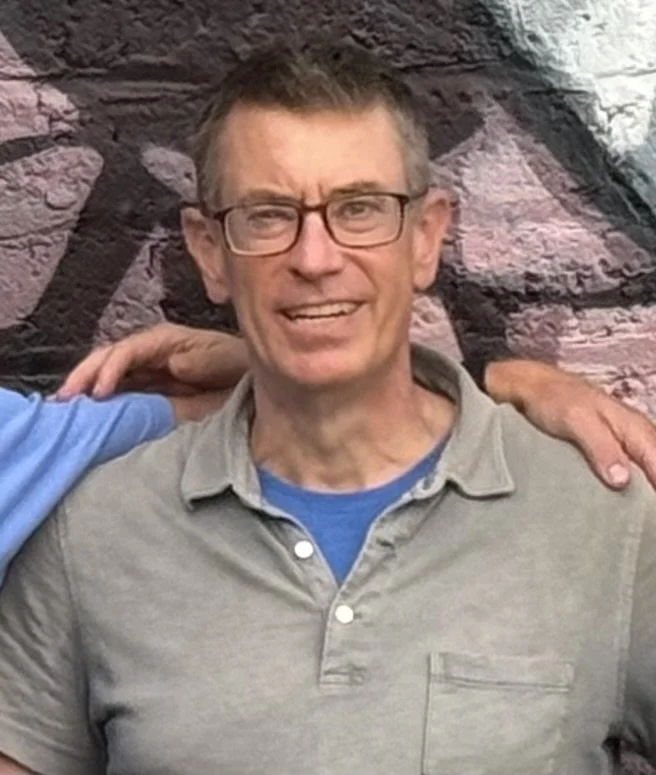
Matt - Founder of STW
I had an ischemic stroke at 35 that affected the left side of my body. My stroke completely turned my life upside down; for a long time afterward, I felt pretty lost and unsure of where life was going to take me.
One of the biggest lessons I've learned is the importance of listening to my body and recognizing when I need to rest. Neurofatigue is very real, and even after all these years, it can still take a lot out of me. I've also learned that stroke recovery is a marathon, not a sprint. It takes patience, learning to adjust, and sometimes accepting that things aren't going to happen as quickly as we'd like.
Those experiences are a big part of why I started Stronger Together Wellness. I know what it's like to feel lost after a stroke, and I want others to know they don't have to figure it all out on their own.
Henry
I had my stroke in 2018 at age 78. Physically, I was fortunate, but losing my ability to communicate was devastating. Everything began to change when I attended a stroke camp in 2022. For the first time, I was surrounded by people who truly understood what I was going through. That experience led me to support groups and eventually volunteering at CarePartners Rehabilitation Hospital.
Every Wednesday at CarePartners, I meet with stroke survivors and caregivers who are often scared and uncertain about the future. I share my story to remind them that there is life after stroke. People often tell me I inspire them, but the truth is, they inspire me.
That's why I believe so strongly in STW's Peer Guide program. Too many survivors, especially in rural communities, lack access to support and connection. Nobody should have to drive two hours just to find someone who understands. My message is simple: "Only you can do it, but you can't do it alone. Never give up. You are never alone."
Ana
Hello, I’m Ana Medina, a stroke survivor, COVID, and Ventilator. While on the ventilator during COVID, I suffered both Ischemic strokes and Hemorrhagic strokes along with seizures. It’s been five years now.
One of the hardest things I’ve had to learn is not being afraid to ask for help. In addition, I’ve learned that it’s okay to walk away from people who don’t lift me up and are supportive. Brain fatigue is a real, common problem that I have not stopped fighting. I’ve learned to give myself grace and forgiveness, as suffering a stroke is not my fault. Every stroke is an individual experience and journey. Believe in yourself and never give up.
Joseph
I had a stroke at age 30 caused by a carotid artery dissection. I had to relearn how to walk, speak, and eat. Now, 10 years later, I'm still making progress. Every few months, I discover something I can do that I couldn't do before. Those small victories mean a lot!
Stroke recovery is a marathon, not a sprint. It takes patience, practice, and perseverance. I've learned to celebrate the small wins and remind myself that progress is possible, even years later.
I became a Peer Guide with Stronger Together Wellness because I want to connect with other stroke survivors and encourage them to keep going. I want them to know that they're not alone, that progress takes time, and that there's always reason to have hope.
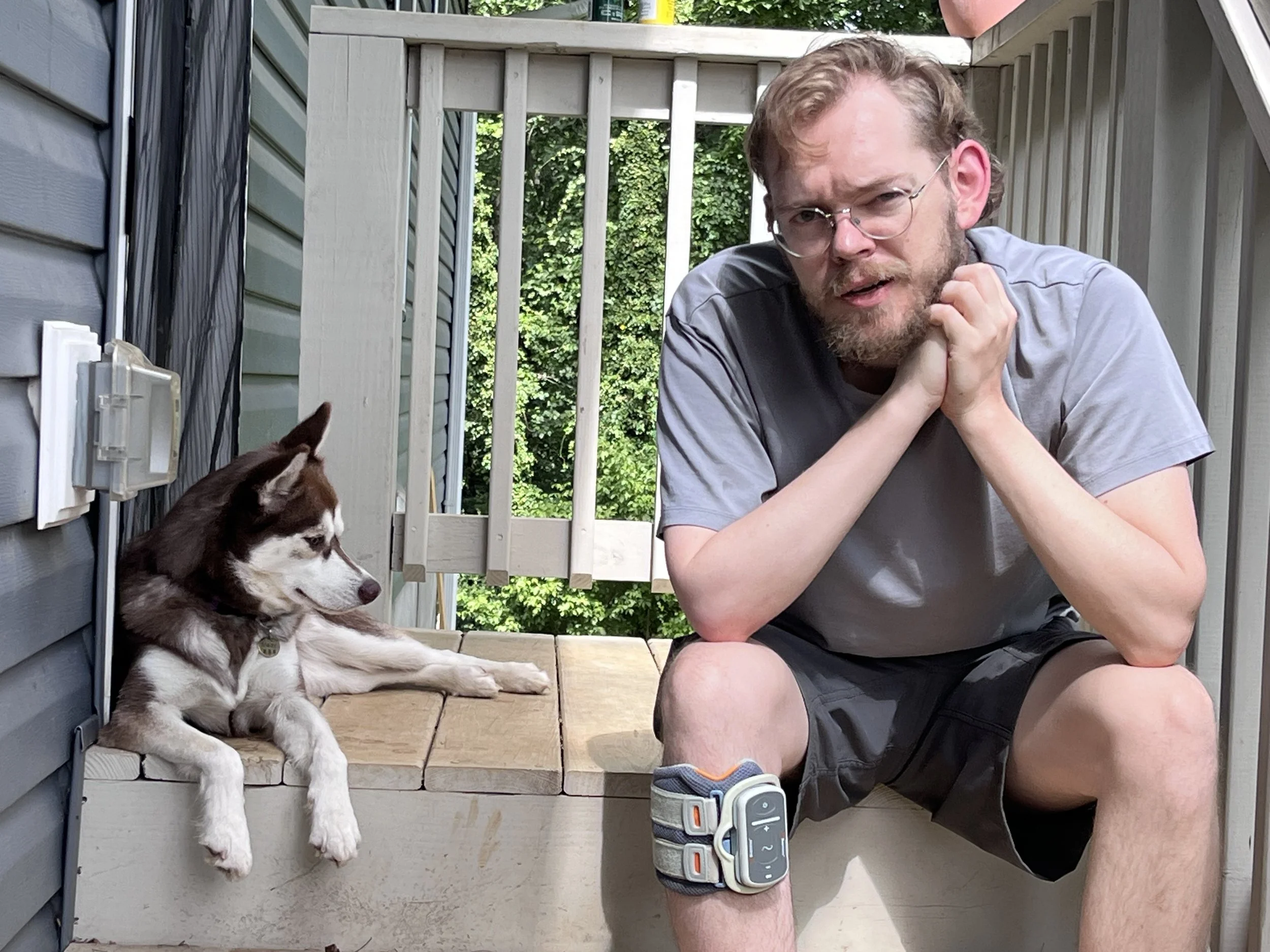
Kyle
My stroke happened when I was 30 years old. I credit my recovery to my family, friends, doctors, and therapists. I also put in A LOT of hard work myself. Recovery is something I focuses on every day; recovery is a mindset. I believe every stroke survivor can thrive after stroke; and that they must want to put in the work to see the results.
Art therapy changed the course of my life and taught me that you cannot find your limits unless you hit your limits. To find my limits, I seek every opportunity for a new challenge.